What Does USDC Look Like? A Visual and Technical Guide to the USD Coin
When people ask "What does USDC look like?", they are often picturing a physical coin or bill. However, as a fully digital currency, USD Coin (USDC) has no physical form. Its "appearance" is best understood through its digital representation on screens and its underlying technological structure. This guide explores the visual and functional identity of this leading stablecoin.
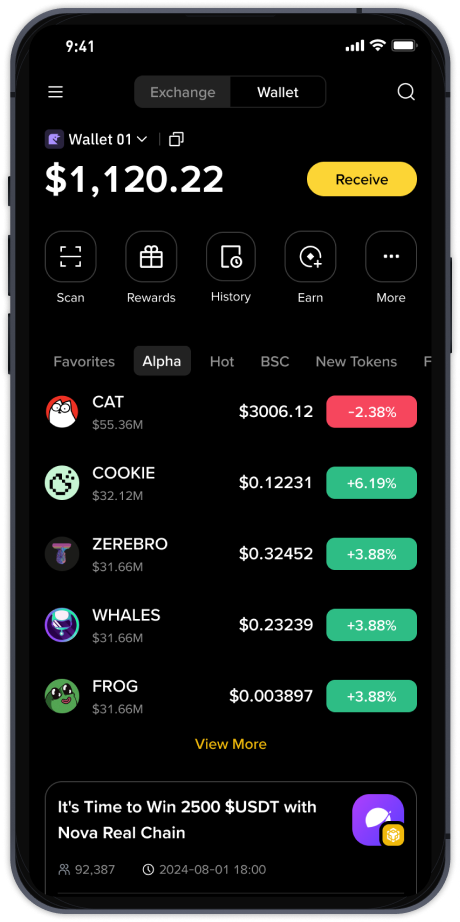
On the surface, USDC is represented by its distinctive blue and white logo—a circle with a stylized "C" that resembles both a coin and a global orbit. This icon is what you see in cryptocurrency exchange interfaces, digital wallets like MetaMask, and financial apps. When you hold 100 USDC, it appears as a balance entry: "100.00 USDC," often colored in a signature blue hue for easy recognition. Its visual presence is clean, corporate, and designed to convey stability and trust, mirroring the U.S. dollar it is pegged to.
Delving deeper, USDC's true "look" is that of code on a blockchain. It is a digital token, primarily an ERC-20 token on the Ethereum blockchain, though it exists on other chains like Solana and Stellar. Each USDC token is a smart contract—a piece of programmable software that guarantees its value is backed by an equivalent amount of real-world assets. These reserves, held in regulated U.S. financial institutions, consist of cash and short-duration U.S. Treasury bonds. This reserve structure is the core "architecture" of USDC, providing its stable value.
The transparency of this backing is a key feature. Unlike a physical dollar's hidden security features, USDC's trust is built on public verification. Monthly attestation reports from independent accounting firms are published, offering a transparent "view" into the reserves. This audit trail is as crucial to its identity as a watermark is to a banknote.
In practice, using USDC involves interacting with this digital token. Sending it shows a transaction hash—a long string of letters and numbers—on a blockchain explorer. This public record is permanent and verifiable, showcasing another aspect of its form: immutable digital data. For developers, USDC looks like an API or a set of smart contract functions that enable its integration into decentralized applications (dApps), powering everything from remittances to decentralized finance (DeFi) lending protocols.
Therefore, while USDC has no physical shape, its appearance is multifaceted. It is a user-friendly icon in your wallet, a line of secure code on a transparent ledger, and a legally defined claim on audited real-world assets. Its design prioritizes clarity, stability, and trustworthiness, making it a fundamental building block of the digital economy. Understanding this complete picture is essential for anyone looking to navigate the world of cryptocurrencies and stable digital cash.