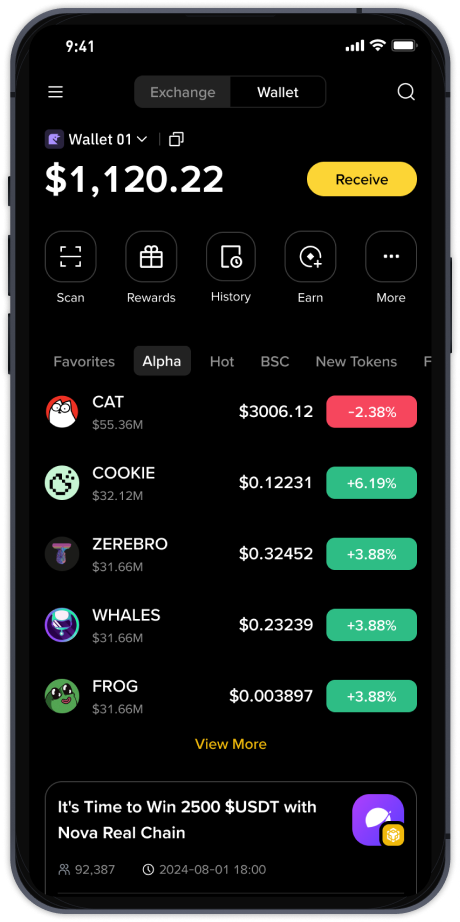
Mastering Crypto Trading: A Step-by-Step Guide to Using Binance Exchange

Cryptocurrency trading has become a mainstream financial activity, and among the many platforms available, Binance stands as the world’s largest digital asset exchange by trading volume. Whether you are a complete beginner or an experienced trader looking to optimize your strategy, understanding how to use Binance effectively is crucial for navigating the volatile crypto market. This guide provides a clear, step-by-step breakdown of the platform’s key features, from registration to advanced trading tools.
First, creating a secure account is your starting point. Visit the official Binance website or download the app from a trusted source. During registration, you will need to provide a valid email address or phone number. Immediately after, enable two-factor authentication using the Google Authenticator app or SMS verification. This extra layer of security is non-negotiable, as it protects your funds from unauthorized access. Binance requires identity verification for most features. You will need to upload a government-issued ID and complete a facial recognition scan. The verification process typically takes a few minutes to a day, depending on the server load.
After your account is set up, the next step is funding it. Binance supports two main deposit methods. You can transfer existing cryptocurrencies from another wallet by copying your Binance deposit address for the specific coin. Alternatively, you can use fiat currency via bank transfer, credit card, or third-party payment processors. Please note that fiat deposits often incur fees and take longer to process. Once your balance shows in the "Wallet" section, you are ready to trade. Navigate to the "Trade" tab where you will find two primary interfaces: "Convert" for simple, one-click exchanges at market rates, and "Classic" or "Advanced" for full-featured charting.
The core function of Binance is spot trading. In the classic view, you will see an order book on the right, showing buy and sell orders. Below that is the price chart. To buy Bitcoin against USDT, for example, go to the "Buy BTC" section. You have two main order types: "Limit Order" and "Market Order." A limit order lets you set a specific price, such as buying Bitcoin at $60,000. The order will only execute if the market price drops to that level. A market order buys at the current best available price instantly. This is faster but may result in slight price slippage during volatile moments. Beginners are advised to start with market orders or limit orders with a tight spread to avoid confusion.
Beyond spot trading, Binance offers several advanced features. "Staking" allows you to earn passive income by locking up coins like Ethereum or Solana for a fixed period, with annual percentage yields ranging from 3% to 20%. "Futures Trading" allows you to trade with leverage, such as 10x or 50x. This is extremely risky and not recommended for new traders, as it can liquidate your entire position. Another valuable tool is the "Earn" section, where you can lend your idle crypto to other users via flexible or locked savings accounts, earning daily interest. For those interested in decentralized finance, Binance's own chain (BNB Chain) supports decentralized applications, but this requires a separate wallet like Trust Wallet.
Security and risk management are paramount. Never share your API keys or two-factor authentication codes with anyone. Be wary of phishing links that mimic Binance emails. A common mistake is leaving large amounts of crypto on the spot wallet. For long-term holdings, move your coins to "Binance Earn" flexible savings or a hardware wallet. Additionally, always check the trading pair you are using. With thousands of altcoins listed, some have very low liquidity, meaning you could buy in but find it difficult to sell. Stick to high-volume pairs like BTC/USDT, ETH/USDT, or BNB/USDT for your first few trades until you understand the market depth.
In conclusion, using Binance is a multi-step process that balances accessibility with powerful features. Start by securing your account, understand the difference between limit and market orders, and explore passive income tools like staking before jumping into leveraged trading. Always prioritize security by enabling 2FA and keeping your private keys offline. As the crypto landscape evolves, Binance regularly updates its features, so staying informed through the official blog and announcements will help you maximize the platform's potential while minimizing risks. Remember, the golden rule of crypto trading: never invest more than you are willing to lose.