Binance Wallet Official Guide: How to Buy and Sell Crypto on the Trusted Platform
Binance Wallet has become one of the most trusted names in the cryptocurrency ecosystem, offering users a secure and efficient way to manage digital assets. When it comes to buying and selling cryptocurrencies directly through the official Binance Wallet, understanding how the process works is essential for both beginners and experienced traders. This article breaks down the key steps, features, and safety measures you need to know.
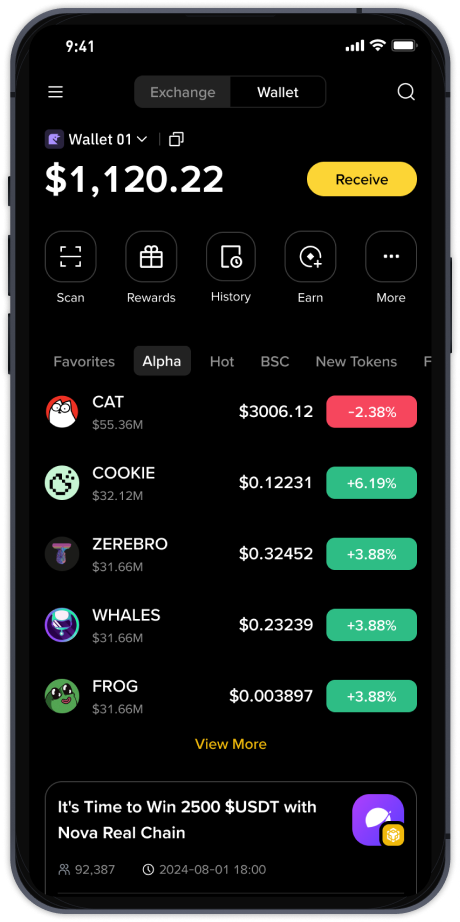
First, it is important to clarify what the Binance Wallet is. While the term “Binance Wallet” is sometimes used broadly, it typically refers to the non-custodial wallet provided by Binance, such as the Binance Web3 Wallet or the Binance App’s built-in wallet. Unlike the exchange account, this wallet gives you full control over your private keys. The official wallet interface allows you to buy crypto using fiat currency through integrated third-party payment providers, and sell crypto by swapping it directly within the wallet or transferring it to a Binance exchange account for withdrawal.
For buying, the process is straightforward. After downloading the official Binance app or accessing the Binance Wallet via the Chrome extension, you can select the “Buy” option. This will present you with supported fiat currencies like USD, EUR, or GBP, along with popular cryptocurrencies such as Bitcoin (BTC), Ethereum (ETH), and Binance Coin (BNB). Payment methods may include credit or debit cards, bank transfers, or Apple Pay, depending on your region. The system will show you the current exchange rate and any applicable fees before you confirm the transaction.
Selling crypto from your Binance Wallet is equally simple. You can either use the “Sell” feature to convert your crypto directly into fiat currency, or use the built-in swap function to exchange one crypto for another. If you prefer to cash out to your bank account, you will need to transfer your cryptocurrencies to your Binance exchange account first, then sell them there. The official wallet ensures that all transactions are recorded on-chain, providing transparency and security. However, always double-check the network fees and estimated arrival times before confirming a swap or transfer.
Security is a top priority when using the Binance Wallet for buying and selling. Because the wallet is non-custodial, you are responsible for safeguarding your recovery phrase and private keys. Binance recommends enabling two-factor authentication (2FA) on your exchange account, but the wallet itself relies on seed phrase backups. Never share your seed phrase with anyone, and avoid entering it on any website other than the official Binance recovery interface. Phishing scams are common, so always ensure you are on the correct domain – for example, wallet.binance.com or the official Binance app.
Another important consideration is the difference between the Binance Wallet and the Binance exchange. The wallet is designed for long-term storage and decentralized finance (DeFi) interactions, while the exchange is built for active trading. If you plan to buy and sell frequently, keeping funds on the exchange might be more convenient due to lower transaction fees and faster execution. However, for security reasons, many users choose to hold the majority of their assets in their Binance Wallet and only transfer what they need to the exchange for trading.
In conclusion, using the official Binance Wallet for buying and selling crypto gives you both control and convenience. By sticking to the official app or browser extension, using verified payment methods, and following best security practices, you can manage your digital assets with confidence. Whether you are a newcomer making your first purchase or a seasoned trader diversifying your portfolio, the Binance Wallet provides a reliable gateway into the world of decentralized finance.